

Final Report: Nepal House of Representatives Election
Election Date: March 5, 2026 (Falgun 21, 2082)
- Executive Summary
The 2082 general election served as a critical democratic reset for Nepal. While conducted under a “politically transitional and polarized environment,” the process was widely hailed as peaceful and orderly. The election was characterized by a massive surge in Gen Z participation but also a concerning trend of high invalid votes and digital misinformation.
- Background
This comprehensive report provides a detailed breakdown of the 2082 House of Representatives (HoR) elections in Nepal, integrating official data from the Election Commission and independent findings from observers like 4-H Nepal. The House of Representatives election held on Falgun 21 concluded peacefully across the country, marking a significant milestone in Nepal’s democratic process. According to the Election Commission of Nepal, voter participation remained encouraging, reflecting strong public engagement despite earlier concerns and political uncertainties.
Nepal’s federal parliamentary structure provides for the election of 275 members, with 165 elected through direct voting (FPTP) and 110 through proportional representation (PR). Each voter was entitled to cast two ballots one for a direct candidate and another for a political party. Political parties must secure at least 3 percent of the total votes to qualify for PR seats.
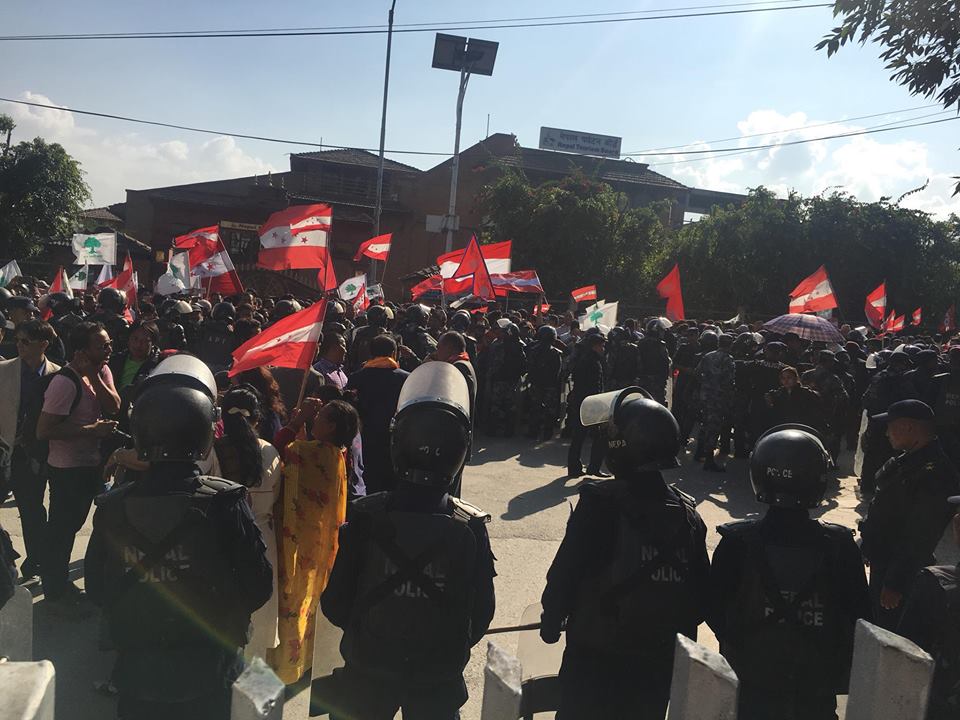
The election was conducted following the dissolution of the previous House and public demonstrations earlier in the year. Observers described the election as crucial for restoring political stability. The Election Commission of Nepal has been widely commended for its management, including the enforcement of the code of conduct and security arrangements. A large number of security personnel were deployed nationwide to ensure a free, fair, and fear-free environment.
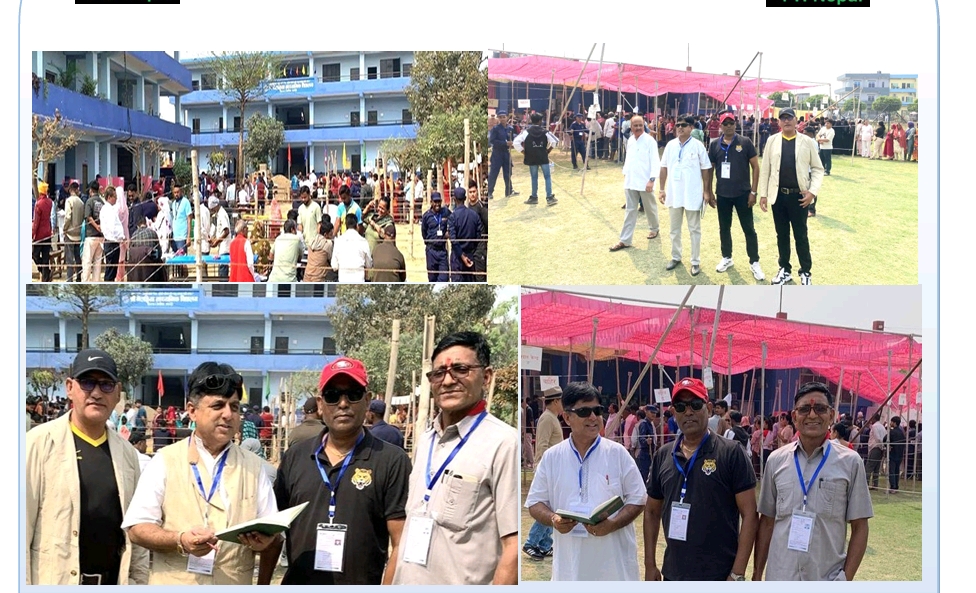
A notable feature was the active participation of Gen Z voters. A significant number cast votes for the first time, indicating a growing level of political awareness. Meanwhile, 4-H Nepal conducted independent observation, mobilizing 82 trained observers across the country to monitor transparency, inclusiveness, and human rights.
- Observation Methodologies
Following official approval, 4-H Nepal initiated its mission using a combination of the following methods:
- Direct field observation
- Polling station monitoring
- Interviews with voters, election officials, and political representatives
- Incident documentation and reporting
- Media and social media analysis
- Voter Statistics & Participation
Despite initial fears of apathy, the Election Commission of Nepal (ECN) recorded significant engagement:
- Total Registered Voters: 18,793,869
- Total Ballots Cast (FPTP): 11,168,032
- Total Ballots Cast (PR): 11,280,617
- Democratic Engagement: This was the third periodic election since the 2072 constitution, featuring the largest number of new voters in Nepal’s history.
- Political Outcome & Party Performance
The results signaled a shift toward newer political forces, particularly the Rastriya Swatantra Party (RSP).
| Political Party | Seats Won (approx.) | Key Highlights |
| Rastriya Swatantra Party (RSP) | 125 | Swept major urban centers including Kathmandu, Chitwan, and Tanahun. |
| Nepali Congress (NC) | 18 | Faced significant losses in traditional strongholds. |
| CPN-UML | 9 | Significant reduction in seat count compared to previous cycles. |
| Nepali Communist Party | 8 | Maintained a small but critical presence. |
| Independent / Others | 15+ | Included high-profile wins like Mahabir Pun in Myagdi-1. |
- Observation Findings: Challenges & Reforms
- The “Invalid Vote” Crisis
A major concern was that over 5% of FPTP votes were declared invalid.
- Root Cause: Voters frequently marked more than one symbol on a single ballot.
-
Regional Disparity: Invalid votes were highest in Sudurpaschim (5.7%) and lowest in Bagmati (4.16%), correlating with literacy rates.
- Digital Misinformation & AI
The 2082 election saw widespread use of TikTok, Reels, and AI-generated content.
- Unethical Campaigning: Observers identified character assassination and “fake likes” involving various candidates.
- Monitoring Gaps: Regulatory efforts by the EIDC often struggled to keep pace with the rapid spread of misinformation.
- Youth & Gen Z Influence
Gen Z influenced families and communities, prioritizing issues of accountability, technology, and economic reform over traditional slogans.
- Misuse of Social Media
Platforms like Facebook, TikTok, and YouTube were used to spread misleading content. This highlights the need for stronger legal provisions to regulate digital campaigning.
- Voting Boycott and Weak Engagement
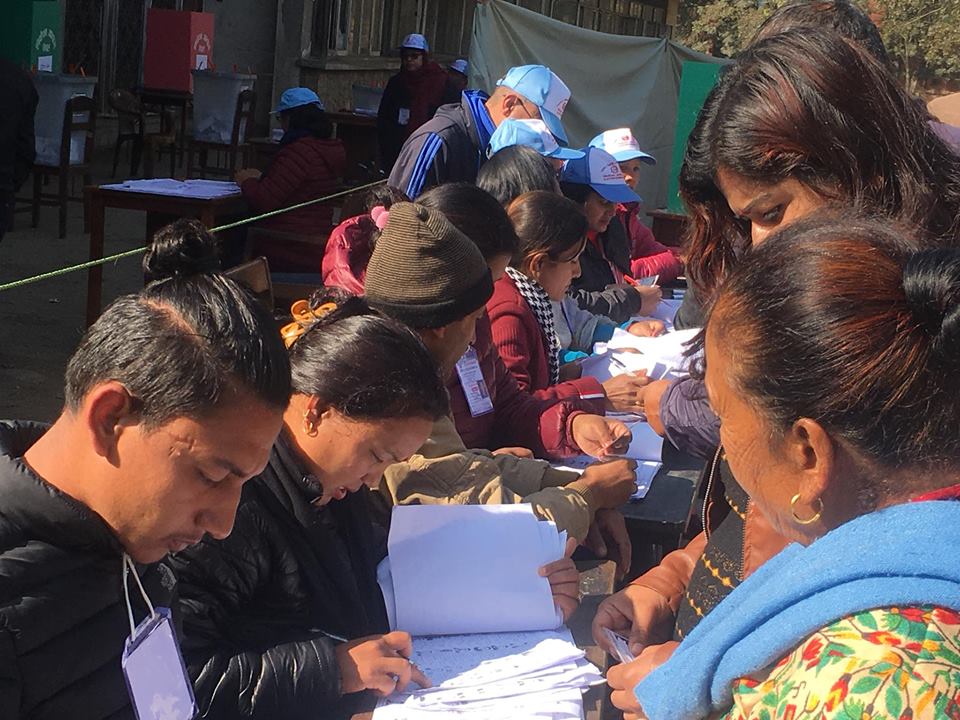
Incidents of boycotts reflected local dissatisfaction and weak outreach by parties. Cases of biased behavior by some election officials were also reported.
- Institutional Performance
The Election Commission of Nepal was commended for:
- Logistics: Timely transport of ballot boxes and efficient counting.
- Security: Successful deployment preventing major violence.
- Design: Implementing a smaller, more manageable ballot paper.
- Institutional Strength: Conducting the election on schedule significantly contributed to the institutionalization of democracy.
- Conclusion
The 2082 House of Representatives election proved that Nepal’s democratic institutions are resilient. While the process was largely peaceful and well-managed, key challenges remain in areas such as digital misinformation, voter education, and participation rates. For the new government, the mandate is clear: bridge the gap between rural education and urban digital literacy to ensure every vote counts and reinforce public trust in democratic institutions.