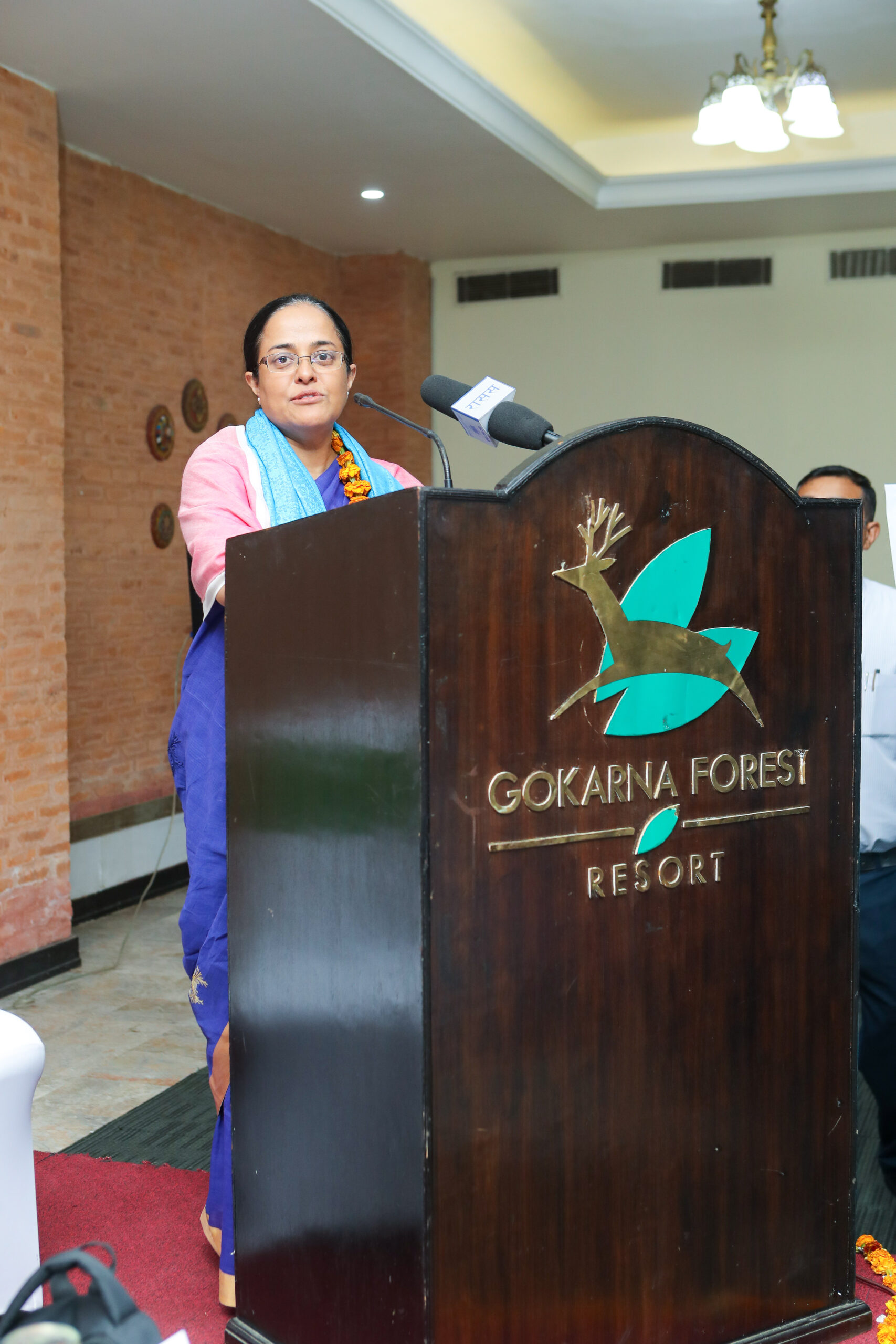
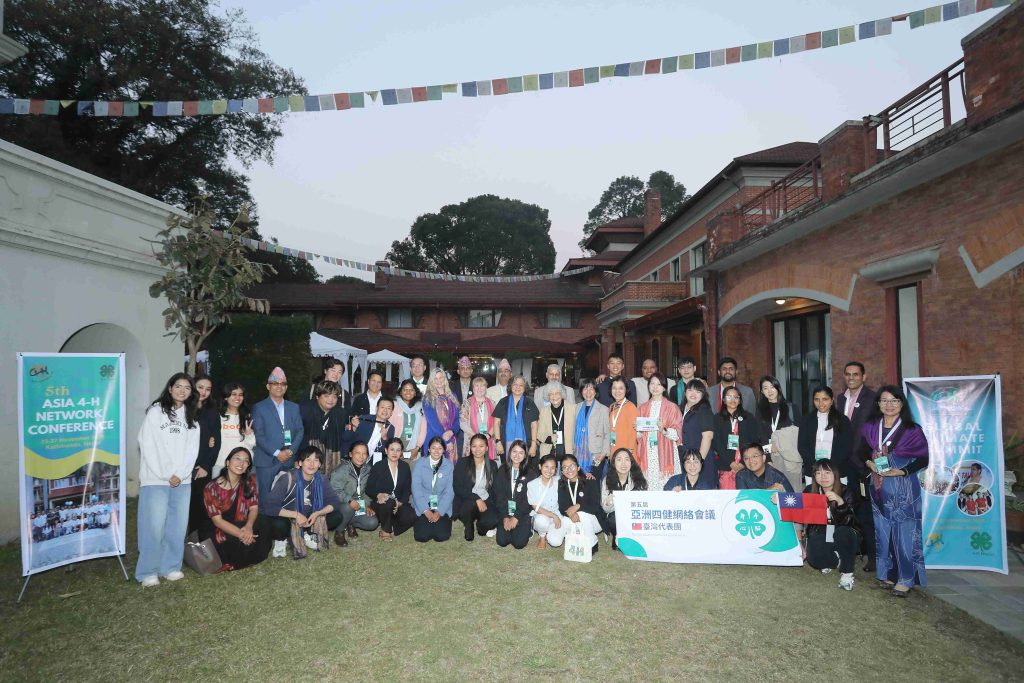
The Global Climate Summit and the 5th Asia 4-H Network Conference 2025 were successfully convened in Kathmandu, Nepal, from 23 to 27 November 2025 under the theme “Empowering Sustainable Future Together.” Organized by 4-H Nepal in collaboration with the Asia 4-H Network, the five-day event brought together 70 participants, including youth leaders, educators, climate advocates, and 4-H representatives from Taiwan, Japan, the United States, Jamaica, and Nepal. The conference marked a significant milestone in strengthening regional cooperation, promoting youth leadership, and advancing climate action across Asia.

The Asia 4-H Network, which operates under the broader global 4-H movement, continues a legacy of over 120 years in youth development through its foundational philosophy of “learning by doing.” With active engagement in more than 70 countries, the 4-H movement focuses on the holistic development of young people through the four pillars of Head, Heart, Hands, and Health. The regional conference, held every three years, serves as a platform for member countries to exchange knowledge, foster collaboration, and strengthen the network. Previous conferences were held in South Korea (2012 and 2017), virtually in 2020 due to the COVID-19 pandemic, and in Taiwan in 2023.
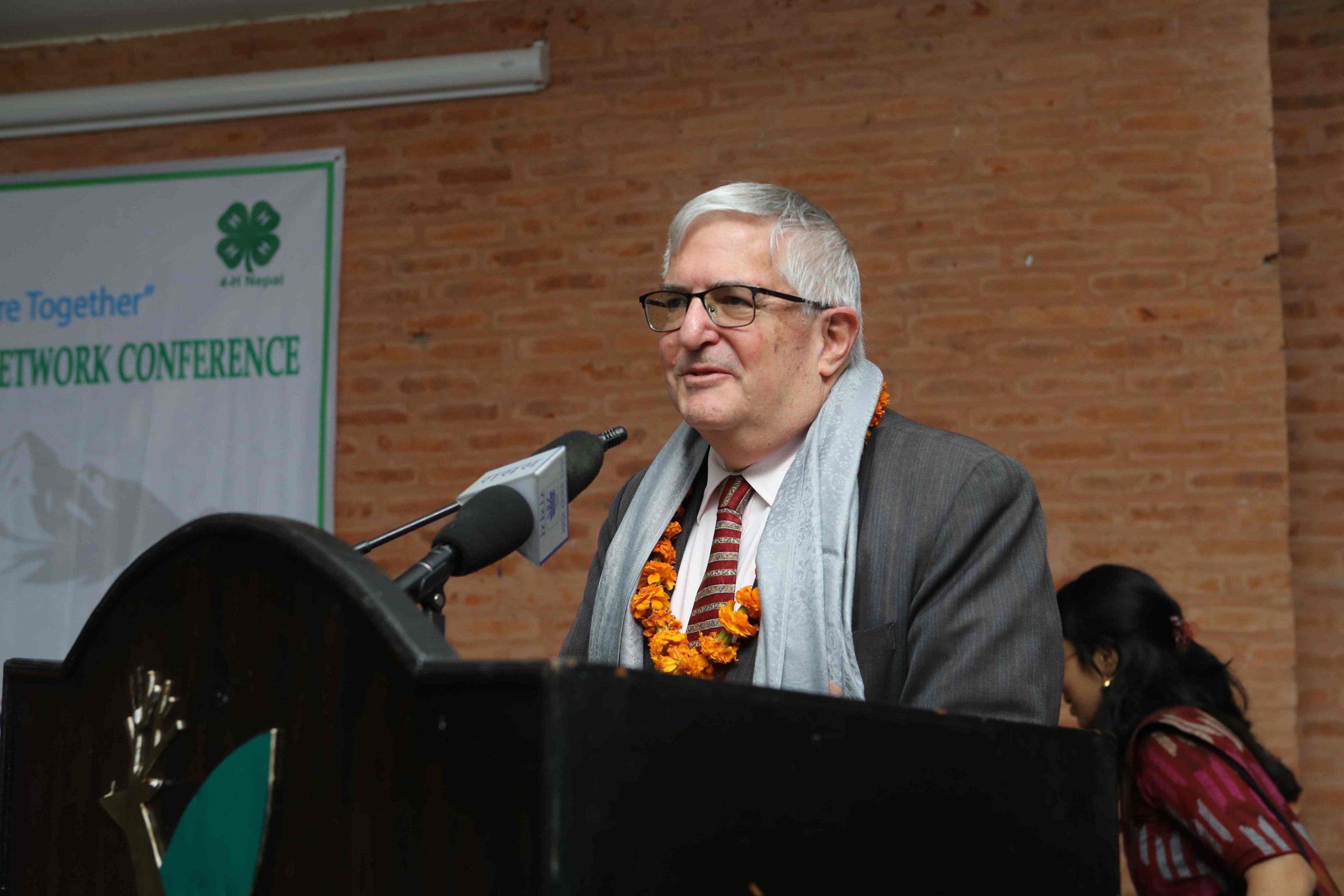
The Kathmandu conference opened with a formal inauguration ceremony attended by distinguished national and international guests, including policymakers, ambassadors, and representatives of global 4-H organizations. The opening session set the tone for the conference by emphasizing the urgent need for collective action in addressing climate change and the critical role of youth in leading sustainable development efforts. Speakers highlighted the increasing vulnerability of countries like Nepal to climate-related challenges, particularly in agriculture and food systems, and stressed the importance of regional cooperation and innovation.
Throughout the conference, participants engaged in a wide range of activities, including keynote speeches, country presentations, technical workshops, and interactive discussions.
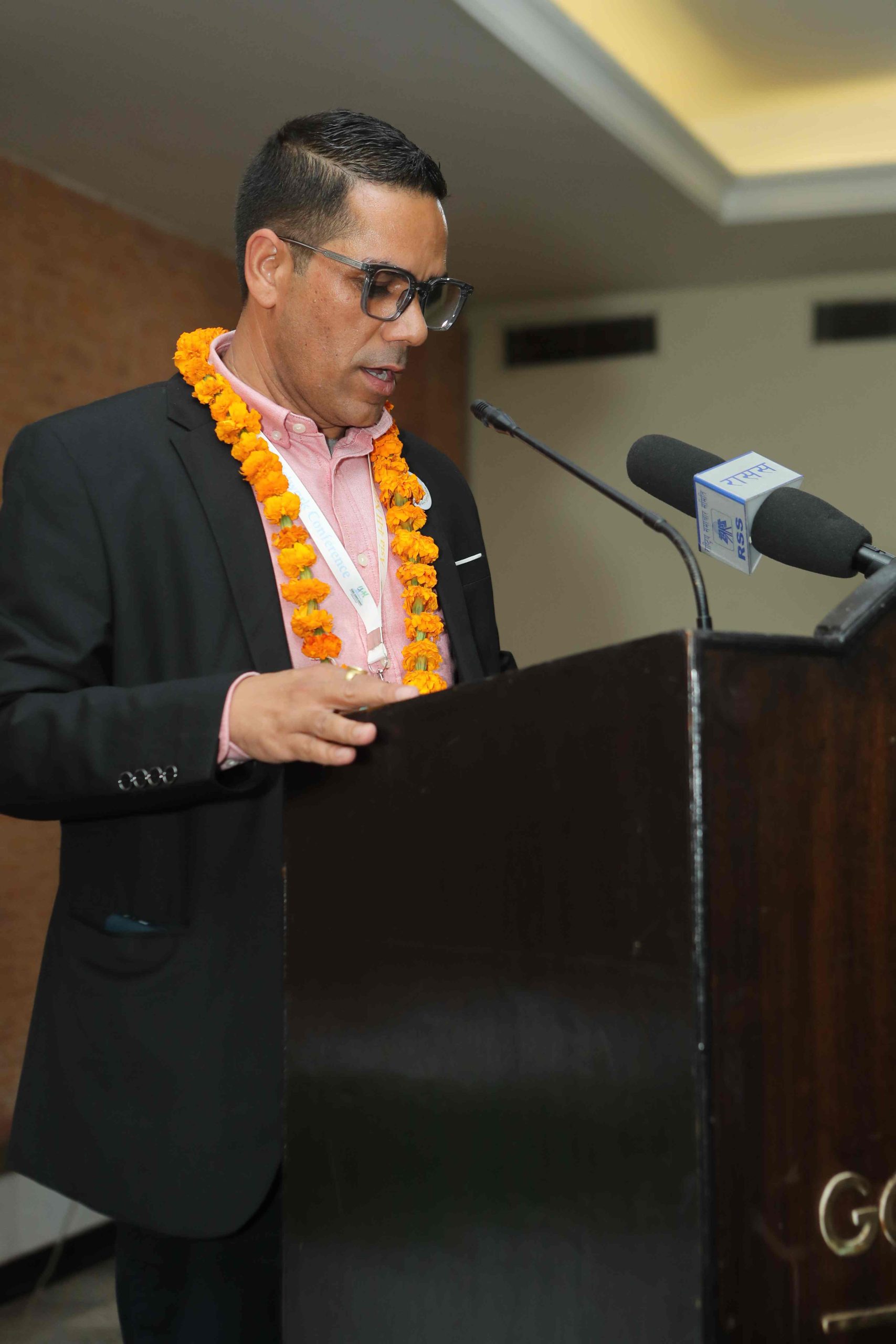
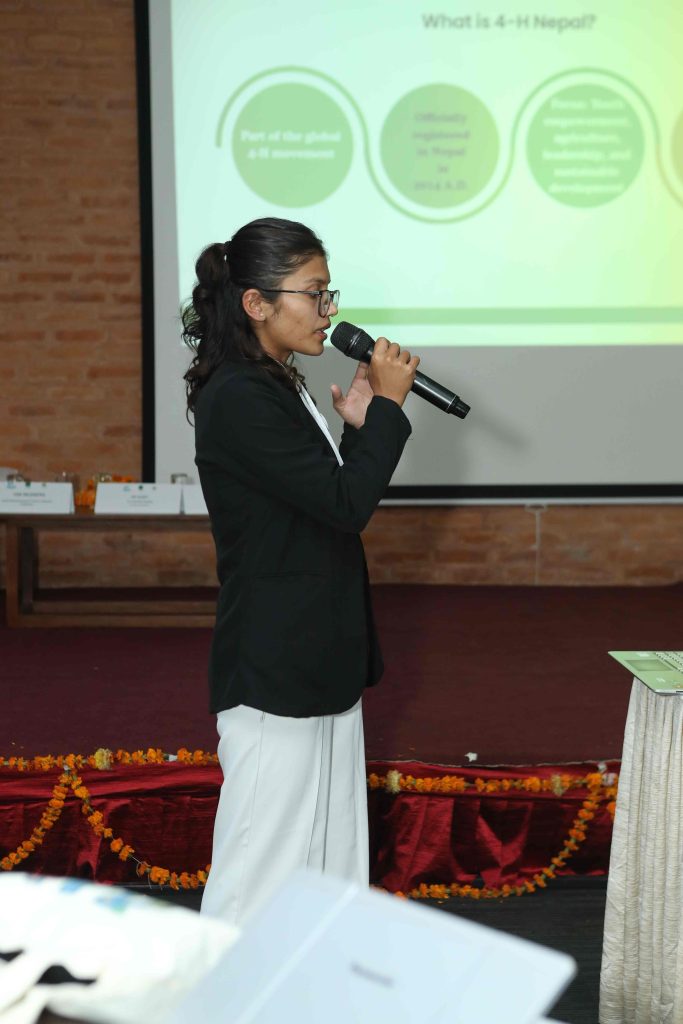
Delegates from participating countries shared their national experiences andprogress in youth development, climate-smart agriculture, and community engagement. These presentations provided valuable insights into diverse approaches and innovative practices being implemented across different regions. The exchange of ideas not only enhanced mutual learning but also strengthened partnerships among member countries.
A central component of the conference was the series of workshops focused on Asia Vision 2040 and strategic planning for sustainable development. Participants worked collaboratively in groups to identify key challenges facing the region, such as climate change, food insecurity, environmental degradation, and youth migration from agriculture. They proposed practical and forward-looking solutions, including large-scale afforestation, establishment of community seed banks, promotion of climate-smart agricultural practices, reduction of plastic use, and strengthening of youth-led initiatives. These discussions played a crucial role in shaping the Asia Climate Action Plan 2025–2028, which was formally endorsed during the conference as a guiding framework for future regional action.
In addition to the technical sessions, the conference incorporated cultural immersion and experiential learning components. Participants visited significant heritage sites, including Boudhanath Stupa and Hanuman Dhoka, where they gained insights into Nepal’s rich cultural, historical, and spiritual heritage.
These visits highlighted the importance of integrating cultural values and traditional knowledge into sustainable development practices. The cultural exchange program further enriched the experience, as delegates shared traditional performances, music, and dance, fostering mutual respect and understanding among diverse cultures.

The conference also featured specialized sessions on global youth engagement and leadership development. Workshops led by international experts explored innovative approaches such as cultural education through art, international youth exchange programs, and experiential learning models. These sessions emphasized the importance of creativity, collaboration, and global citizenship in addressing contemporary challenges and preparing youth for future leadership roles.
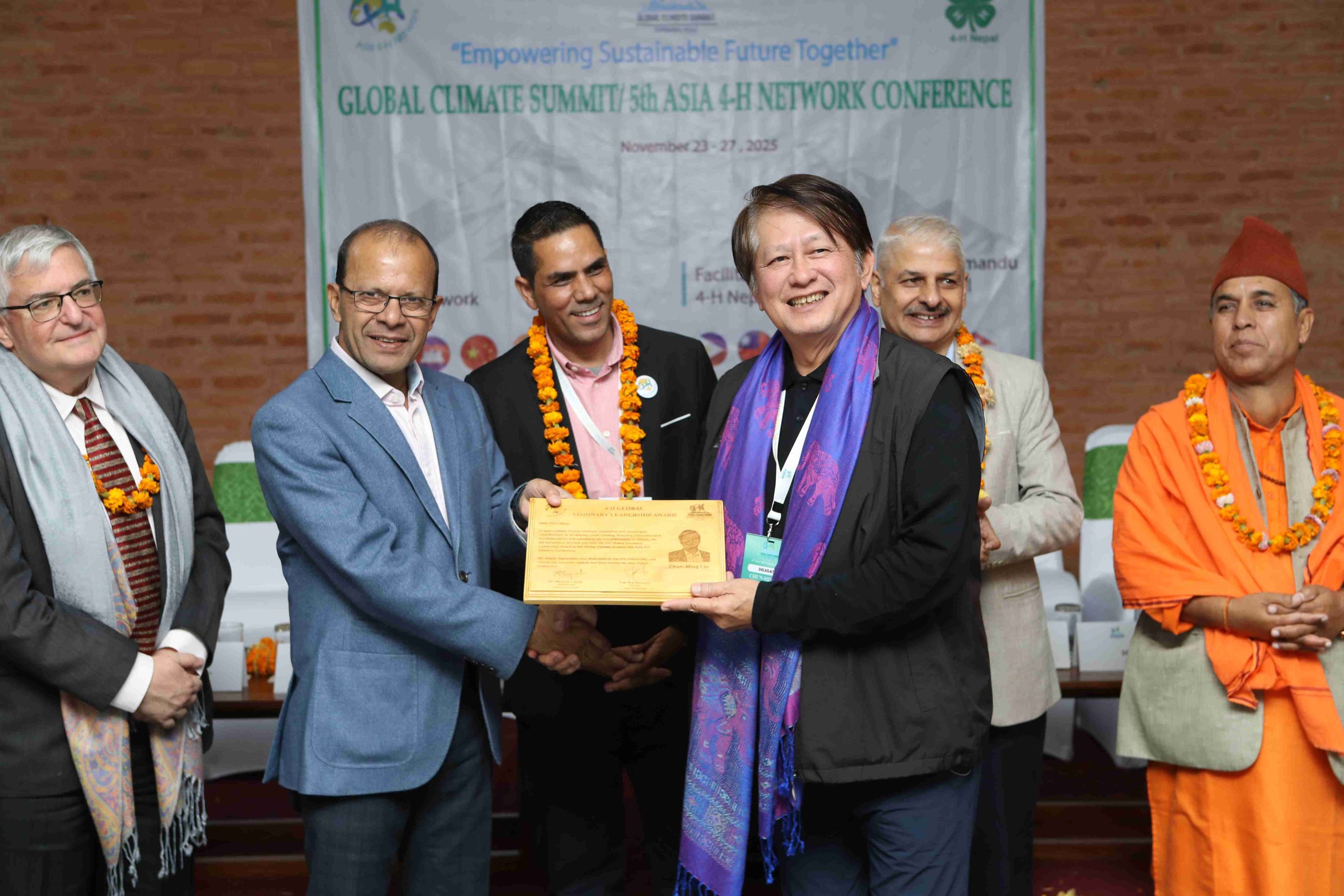
One of the major outcomes of the conference was the election of new leadership for the Asia 4-H Network. Korea was appointed as the President for the 2026–2029 tenure, reflecting the network’s commitment to shared leadership and regional representation. The newly elected leadership is expected to guide the implementation of the Asia Climate Action Plan and further strengthen collaboration among member countries. The conference also recognized outstanding contributions to youth development and community service through the presentation of the 4-H Global Visionary Leadership Award to distinguished individuals from participating nations.
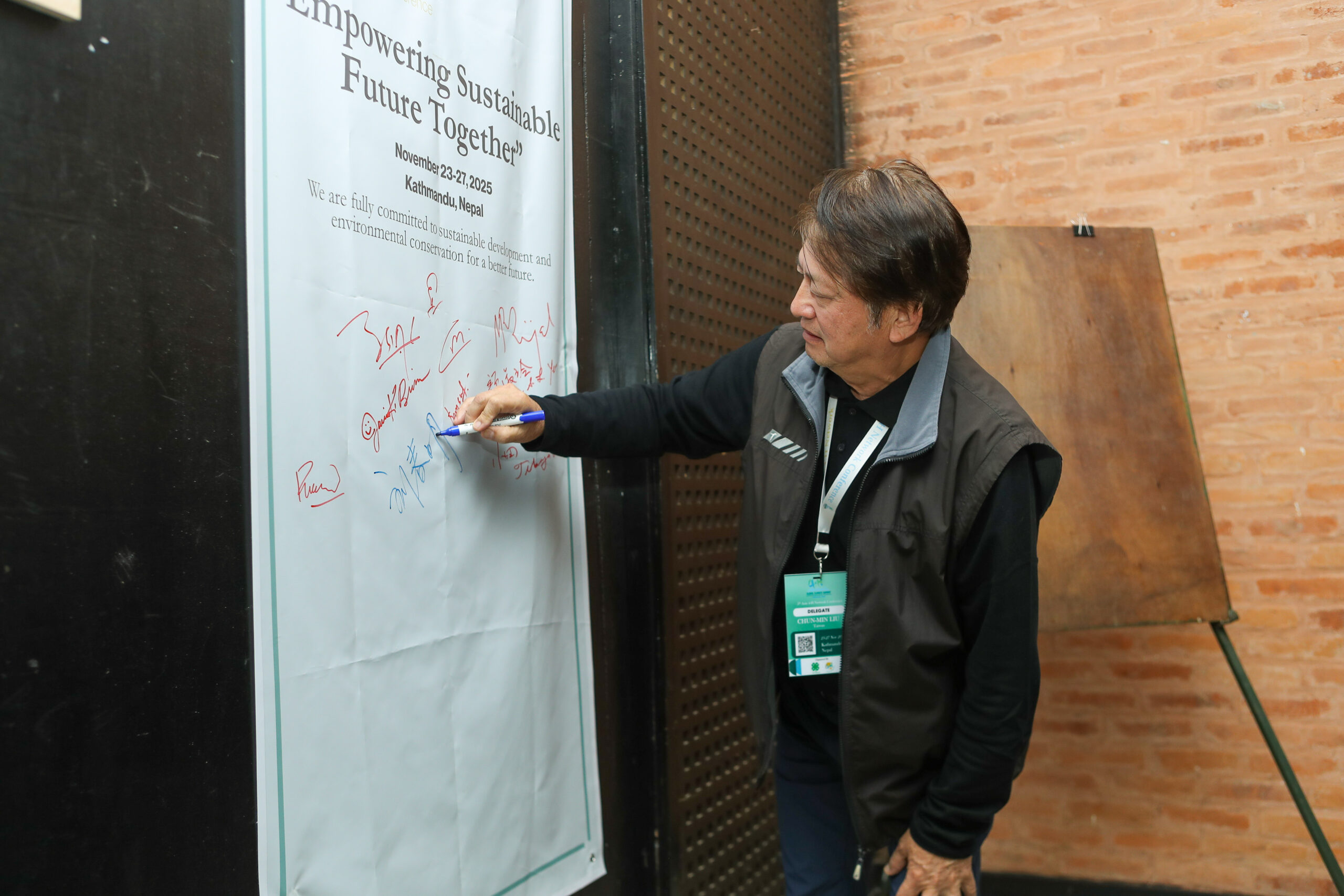
The event concluded with a formal closing ceremony, during which participants were awarded certificates in recognition of their active participation and contributions. In the closing remarks, leaders expressed their appreciation to all delegates and reaffirmed their commitment to continued collaboration and partnership. The conference successfully reinforced the role of youth as key drivers of sustainable development and highlighted the importance of collective action in addressing global challenges.

Overall, the 5th Asia 4-H Network Conference and Global Climate Summit 2025 served as a powerful platform for dialogue, learning, and partnership-building. By bringing together diverse stakeholders and fostering meaningful engagement, the event strengthened regional solidarity and renewed the commitment of youth across Asia to work collectively toward a more sustainable, resilient, and inclusive future.